
For many families, travelling by air with children can feel both exciting and overwhelming. New sounds, unfamiliar routines, busy crowds, long queues, and the sheer scale of airports can all be challenging—especially for babies, toddlers and young children who thrive on familiarity. But with the right preparation, flying becomes more than just a journey; it becomes a meaningful learning experience that builds confidence, develops new skills, and creates lasting family memories.
This guide explores why preparing children for air travel matters, what they can learn along the way, and practical steps to help them feel calm, confident and curious before stepping onto a plane.
🌱 Why Preparation Matters: The Learning Behind Travel
Flying isn’t just a logistical event—it’s also an educational opportunity. For children aged 0–12, new experiences help shape how they understand the world. Travel naturally supports:
1. Reducing Anxiety Through Familiarity
Children learn best when they feel safe. Anticipating what will happen—security checks, boarding, noises, take-off—helps reduce fear and uncertainty.
2. Strengthening Communication and Emotional Literacy
Explaining the travel process helps children practise new vocabulary such as “boarding pass”, “runway”, and “luggage”. It also supports emotional development as they learn to label feelings like excited, nervous, or curious.
3. Building Independence and Executive Functioning
Before a trip, children can help pack their bags, choose activities for the flight, and practise being responsible for their belongings—early steps in decision-making and planning.
4. Boosting Curiosity About the World
Airports and aircraft spark natural interest in geography, weather, engineering, and people. For many children, this is a first glimpse that the world is big, diverse, and filled with opportunities to explore.
5. Developing Resilience and Flexibility
Travel rarely goes perfectly. Delays, queues, and changes to routine give children real-life opportunities to practise patience and problem-solving—skills that support success in school and beyond.
🛫 Step 1: Start Preparing Weeks Before the Flight
Children need time to make sense of new experiences. Preparation doesn’t have to be complicated—just consistent, gentle, and playful.
Visit Somewhere Planes Can Be Seen
Watching planes take off and land gives children a sensory preview of what’s to come.
We recently took our children to Sheldon Country Park near Birmingham Airport, where they could see aircraft up close, hear the engines, watch the landing gear fold away, and notice the speed at take-off. It transformed something abstract into something exciting and real.
Talk About Each Step of the Journey
Young children benefit from simple, visual explanations. You might talk through:
- What the airport looks like
- Where your luggage goes
- Why planes make noise
- What ears might feel like during take-off
- What happens when seatbelts click
Short conversations build understanding—and confidence.
Look at Pictures or Short Videos of Planes
Children love learning visually.
You could show:
- Videos of airport check-in
- Time-lapse boarding
- Cartoons about flying
- Safety cards (older children love these!)
This is especially helpful for children with additional needs or sensory sensitivities.
🧩 Step 2: Learn Through Play
Play is how children process and rehearse real-life experiences. Turning flying into a game reduces fear and builds excitement.
Try Aeroplane-Themed Toys
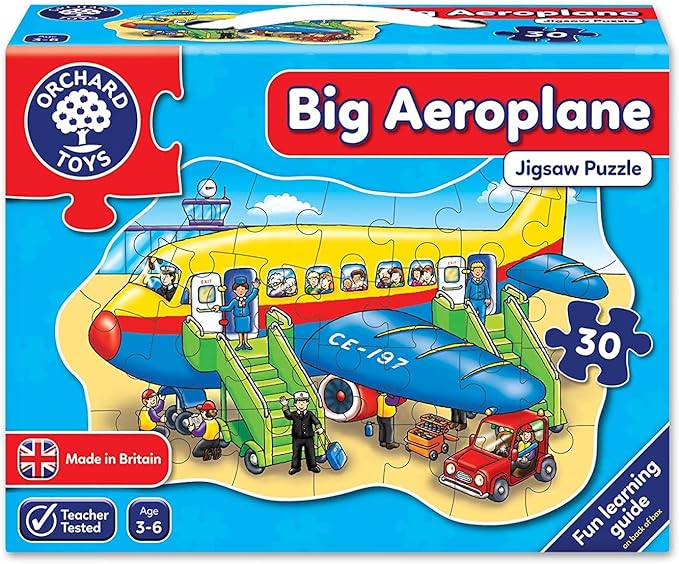
- Aeroplane puzzles – ideal for toddlers and preschoolers learning what a plane looks like
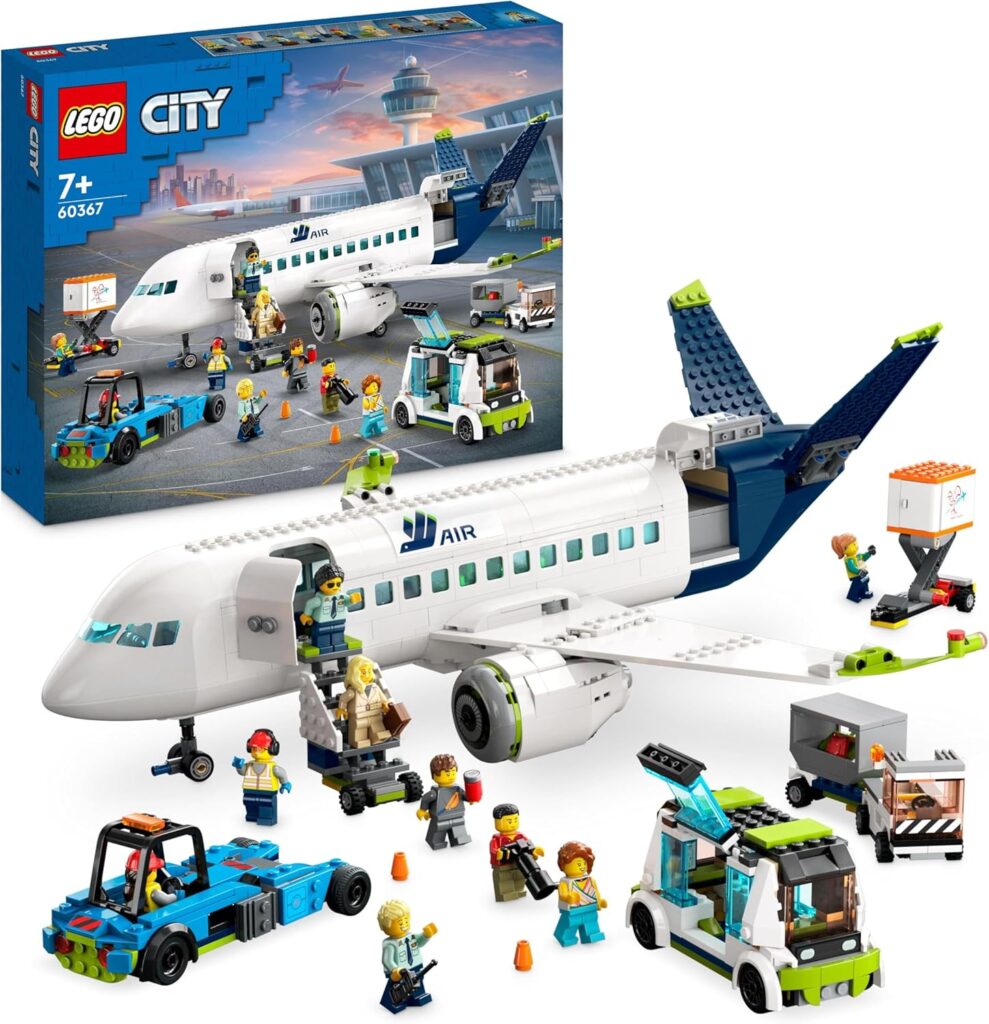
- LEGO® City Passenger Plane Set – perfect for ages 5+ who want to understand planes in a hands-on way
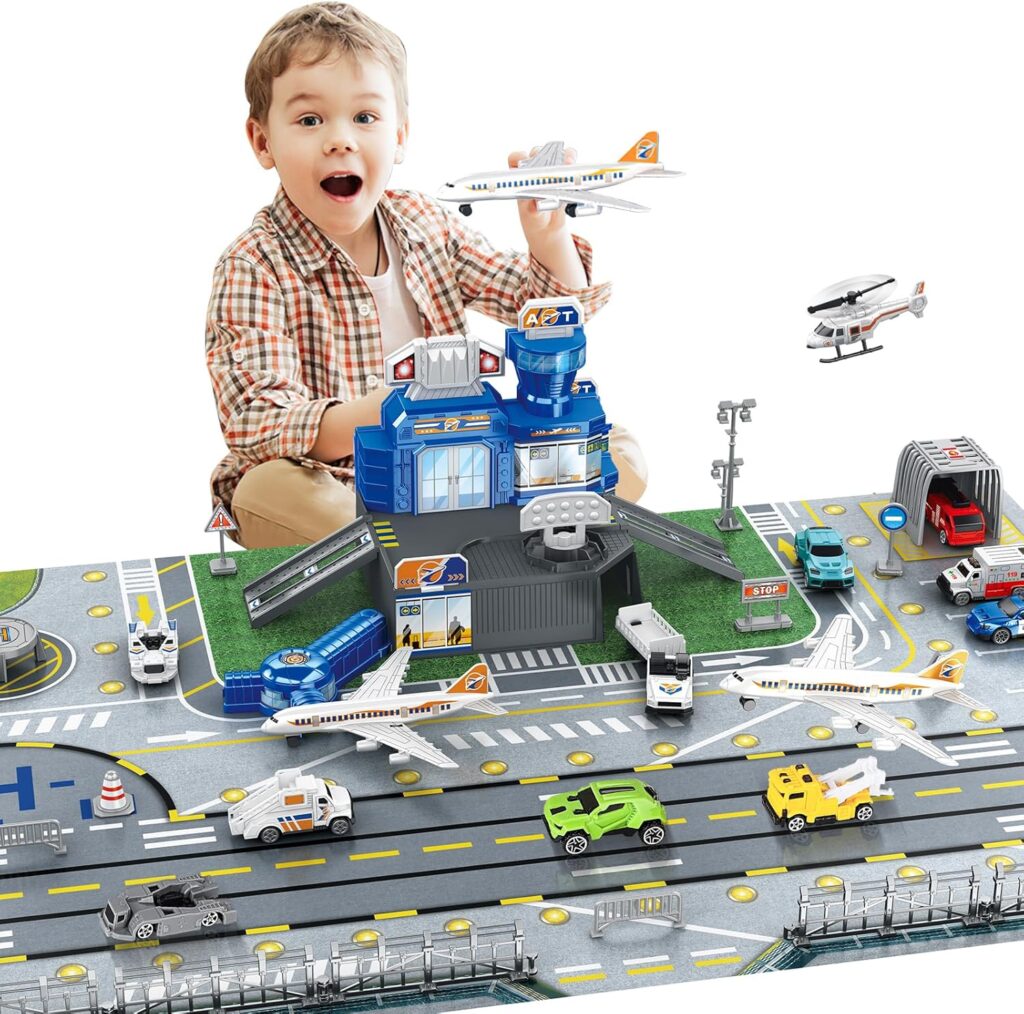
- Toy airports or runway playsets – brilliant for imaginative play
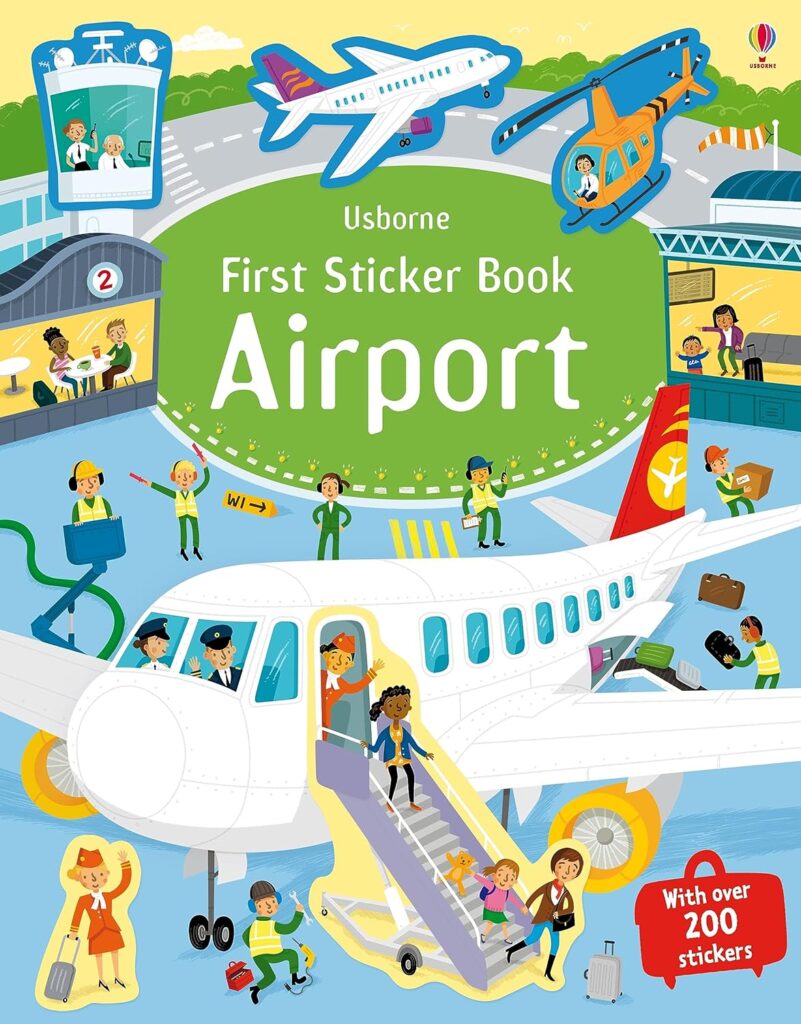
- Sticker books about airports or travel – easy, low-cost learning tools
These activities help children process what they’ll experience, making the airport feel familiar before they even arrive.
Role Play the Airport Experience
Set up simple “stations” at home:
- Check-in desk with pretend tickets
- Security scanner using a cardboard box
- Boarding gate with seats arranged in rows
- Cabin crew role play with safety instructions
Children love practising routines. This helps reduce surprises and gives them a sense of control.
Pack Their Own Bag Together
From age 3+, children can help choose:
- A book
- A soft toy
- Snacks
- A colouring book or stickers
Older children might help organise their travel documents or headphones.
This promotes independence and responsibility.
🧠 Step 3: Strengthen Understanding Through Books & Stories
Stories about planes help children build emotional literacy and vocabulary:
- “Amazing Aeroplanes” (Rhyming picture book for ages 2–6)
- “Going on a Plane” (Usborne First Experiences)
- “Hello, World! How Do Planes Fly?” (Simple STEM concepts for little ones)
- “The Noisy Airplane Ride” (Helps explain sounds and sensations)
Stories help children make sense of what will happen and feel calmer on the day.
🎧 Step 4: Prepare for the Sensory Experience
For many children, flying involves unusual sensations:
1. Noise
Engines, announcements and cabin pressure sounds can be loud.
Consider including affiliate links for:
- Children’s noise-reducing headphones
- Comfortable over-ear travel headphones for entertainment
We use these for our children. They are comfortable, easy to use, and good value.


2. Pressure Changes
Explain why ears “pop” and practise strategies:
- Swallowing
- Drinking water
- Chewing
- Yawning
3. Movement
The feeling of take-off can be surprising. Watching planes beforehand helps children understand why it happens.
✈️ Step 5: Talk Through Routines and Timings
Understanding when things happen helps reduce anxiety.
You can talk about:
- Arriving at the airport
- Checking in
- Dropping bags
- Security
- Waiting at the gate
- Boarding
- Take-off
- Eating on the plane
- Landing
You can even draw a simple visual timeline for younger children.
⭐ Step 6: Prepare for Waiting (Because There Will Be Waiting!)
Air travel is a series of queues, transitions and periods of sitting. Preparing for this helps enormously.
Educational, Low-Mess Activities for the Airport
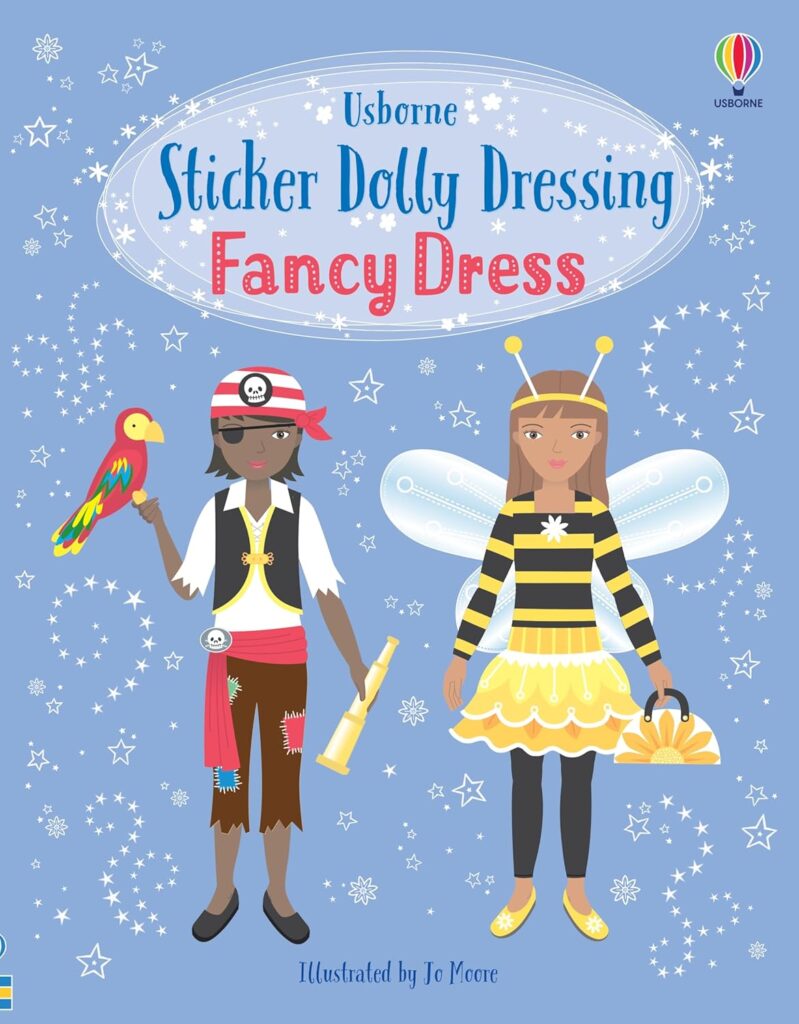
- Sticker books
- Simple dot-to-dot
- Reusable water painting books
- Travel-sized puzzles
- Wipe-clean activity books
- Audiobooks (for older children)
On our recent flight to New Zealand, when the children weren’t looking out the window, they played almost exclusively with sticker books, which kept them calm and focused.
These activities support fine motor skills, concentration and independent play—perfect for both learning and sanity.

🚗 Step 7: Practise Patience and Flexibility
Flights are unpredictable.
Turn the waiting into learning:
- Counting luggage
- Looking for letters on signs
- Estimating how long queues will take
- Spotting different airline logos
- Talking about countries on the departures board
This keeps children engaged and builds natural learning into the day.
🧳 Step 8: Build Excitement and Reassurance
Children copy our emotions. Calm enthusiasm from adults helps children feel safe.
Try:
- Countdown calendars
- Travel-themed bedtime stories
- Choosing a “travel buddy” teddy
- Making a “travel playlist” together
These rituals create positive associations around flying.
🌍 What Children Learn By Being Prepared
Preparing children for a flight is much more than practical organisation—it’s an opportunity to develop:
- Curiosity
- Confidence
- Communication skills
- Independence
- Problem-solving
- Resilience
- A love of exploring the world
Travel becomes a classroom without walls—full of real-life learning that lasts far beyond the journey itself.
🛫 Final Thoughts
Preparing young children for air travel doesn’t need to be complicated or time-consuming. It’s about giving them space to understand, practise and explore what’s coming—and turning it into a shared adventure.
With stories, play, real-life watching, simple conversations and a few carefully chosen travel activities, you can transform the airport experience from overwhelming to exciting. And in the process, you’ll support your child’s emotional wellbeing, independence and love of learning—before you even reach the runway.