
New Zealand is famous for its dramatic landscapes, wild coastlines, and extraordinary wildlife. But one of the country’s true hidden gems—especially for families—are its regional parks. Spread across the North and South Islands, these parks offer accessible nature experiences that feel a world away from city life, yet many are only a short drive from major towns. Better still, they’re often completely free to visit, with good parking, well-maintained paths, and clean toilet facilities that make a huge difference when you’re travelling with young children.
During our recent trip, we visited several parks, but the ones that stole our hearts were Hunua Falls Regional Park and Duders Regional Park. These two parks, while incredibly different, offered our children hands-on learning, space to roam, and the sense of freedom that only big open landscapes can give.
Whether you’re planning a family holiday to New Zealand or you’re lucky enough to live locally, regional parks are one of the simplest, most cost-effective ways to help children learn, grow, and adventure outdoors.
Why Regional Parks Are Brilliant for Children
1. A Natural Playground
Children thrive when they have the freedom to explore, climb, splash, and wander at their own pace. New Zealand’s regional parks are designed with families in mind—lots of open green spaces, safe walking tracks, and places to stop and play.
In parks like Duders or Shakespear Regional Park, fields roll into the sea, creating a natural playground for running, scrambling, and watching birds swoop overhead.
2. Learning Through Experience
Children learn best when they’re hands-on, and these parks offer endless opportunities for real-world learning:
- Geography: Waterfalls, cliffs, hills, estuaries, forests
- Science: Rock formations, plant identification, erosion, freshwater vs saltwater
- Biology: Bird spotting, tree species, insect habitats
- Environmental awareness: How to care for natural spaces
A short walk becomes a lesson in ecosystems. A picnic turns into a conversation about tides or weather. Even watching a Tūī or Pūkeko up close can spark curiosity that textbooks simply can’t match.
3. Free, Accessible, and Family-Friendly
For families travelling on a budget, regional parks are a gift. Most are completely free, and they don’t require booking or tickets. With young children—who may nap unexpectedly or suddenly burst with energy—this flexibility is invaluable.
You’ll typically find:
✔️ Free parking
✔️ Clear walking tracks
✔️ Toilets
✔️ Picnic spots
✔️ Safe places to paddle or explore
This reliability means you can confidently plan a half-day or full-day trip without worrying about logistics.
Hunua Falls: A Wonder for Waterfall-Loving Children
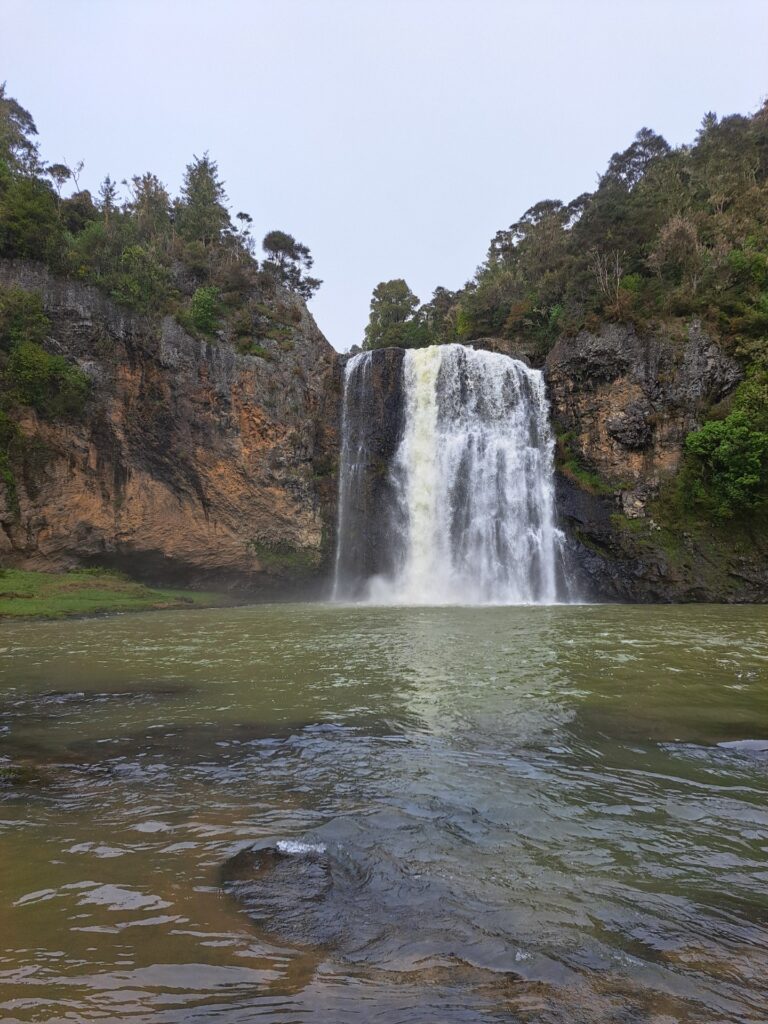
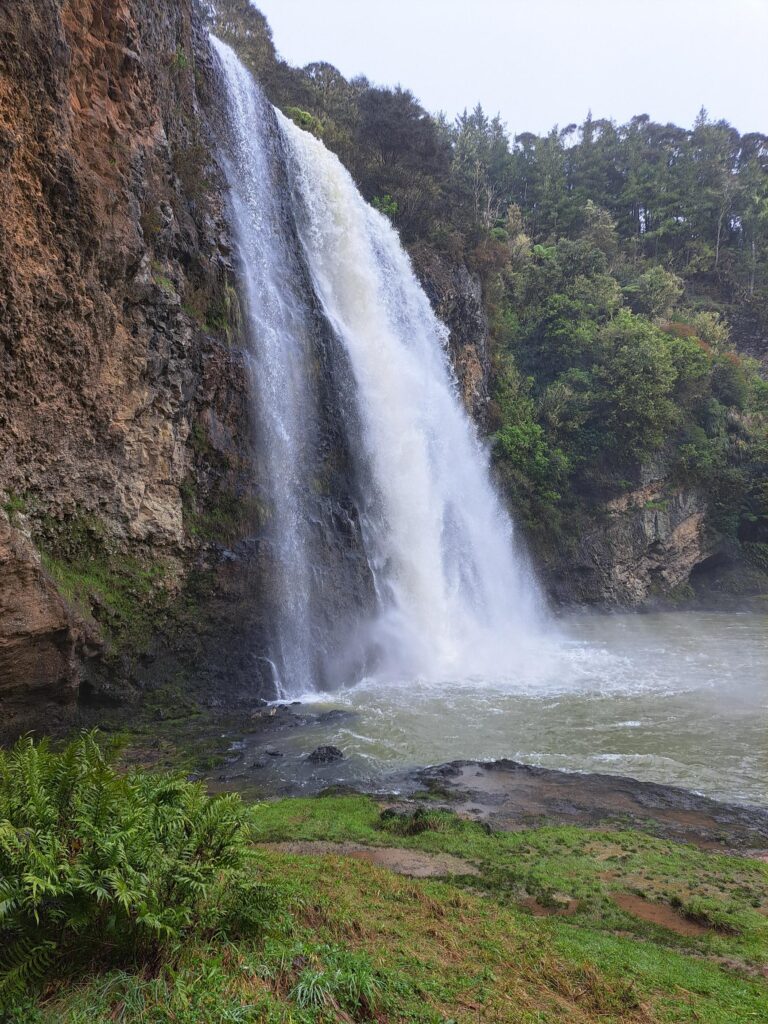
Hunua Falls, set within the Hunua Ranges Regional Park, is one of Auckland’s most spectacular natural features—and incredibly accessible. A short, easy walk from the car park takes you to a viewpoint where the waterfall plunges into a deep volcanic pool below.
What Children Love at Hunua Falls
✨ The power of the waterfall
Kids are mesmerised by the sound and the mist, and sometimes a rainbow appears at the base.
✨ Walking tracks that feel like an adventure
Short loops, bridges, forest paths, and lookout points make it feel exciting for young explorers.
✨ Spotting native plants and birds
Ferns, mosses, and towering trees surround the track—an ideal place to introduce children to New Zealand’s native bush.
What They Learn
- How waterfalls form
- Volcanic landscapes
- River systems and erosion
- Native flora and fauna
- Conservation (e.g., Kauri Dieback cleaning stations)
Hunua Falls feels dramatic but safe—a perfect introduction to New Zealand’s natural wonders.
Duders Regional Park: Coastal Views and Space to Roam
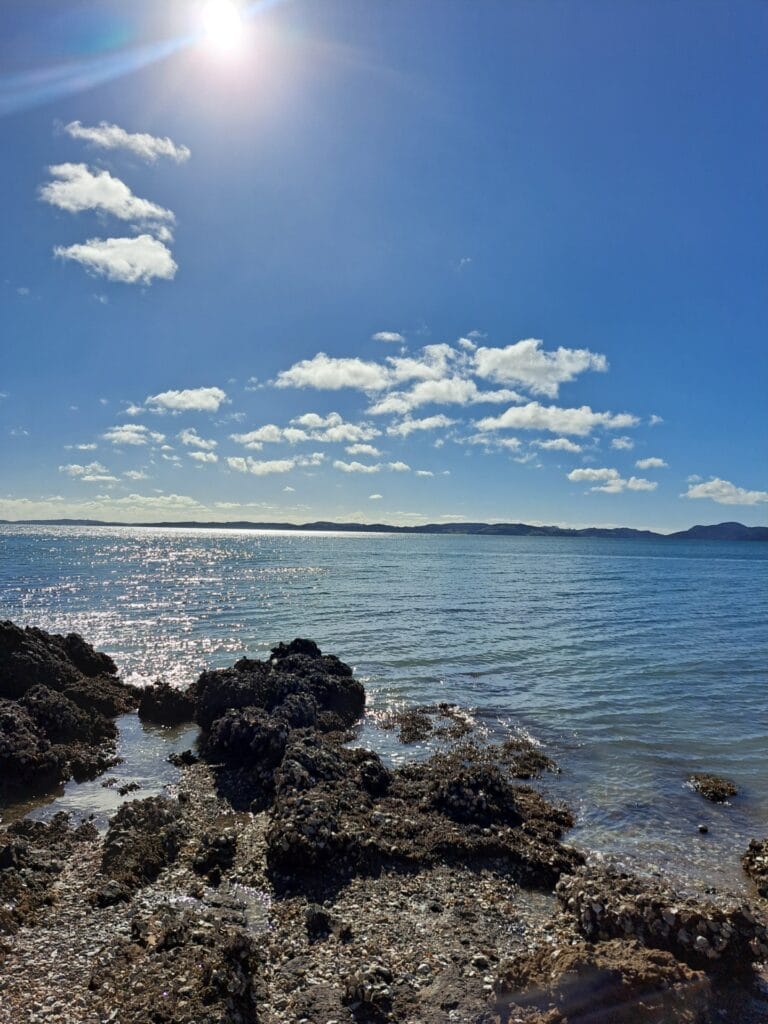
If Hunua is about drama, Duders is about calm, space, and fresh sea air. Sitting on a peninsula, it offers sweeping views of the Hauraki Gulf and miles of gentle farmland and rolling hills.
What Children Love at Duders
✨ Running across open fields
Perfect for burning energy and exploring at their own pace.
✨ Seeing farm animals
Sheep and cows roam freely—always a hit with children.
✨ Coastal exploration
At low tide, the shoreline becomes a treasure trove of shells, crabs, and seabirds.
What They Learn
- Coastal geography
- Farming landscapes
- Tidal patterns
- Birdlife
- Sustainable land use
Duders is peaceful, uncrowded, and wonderfully grounding.
Other Regional Parks Worth Exploring
- Shakespear Regional Park – Predator-free sanctuary with birds, beaches, and easy family-friendly walks.
- Waitakere Ranges Regional Park – Black-sand beaches, dramatic cliffs, and waterfalls.
- Wenderholm Regional Park – Calm estuary, picnic areas, safe swimming, and great wildlife spotting.
Each park offers something unique, making it easy to build a varied itinerary filled with learning opportunities.
What to Bring When Visiting Regional Parks
Packing well makes family adventures smoother:
- Water
- Suncream + hats
- Comfortable shoes
- Light layers
- Snacks or a picnic
- A small first-aid kit
- A waterproof jacket or suit
On our trip, we packed Regatta lightweight waterproof suits for each child (affiliate link) which are available in a variety of colours. They were incredibly useful as New Zealand’s weather can change quickly—even within the same hour.
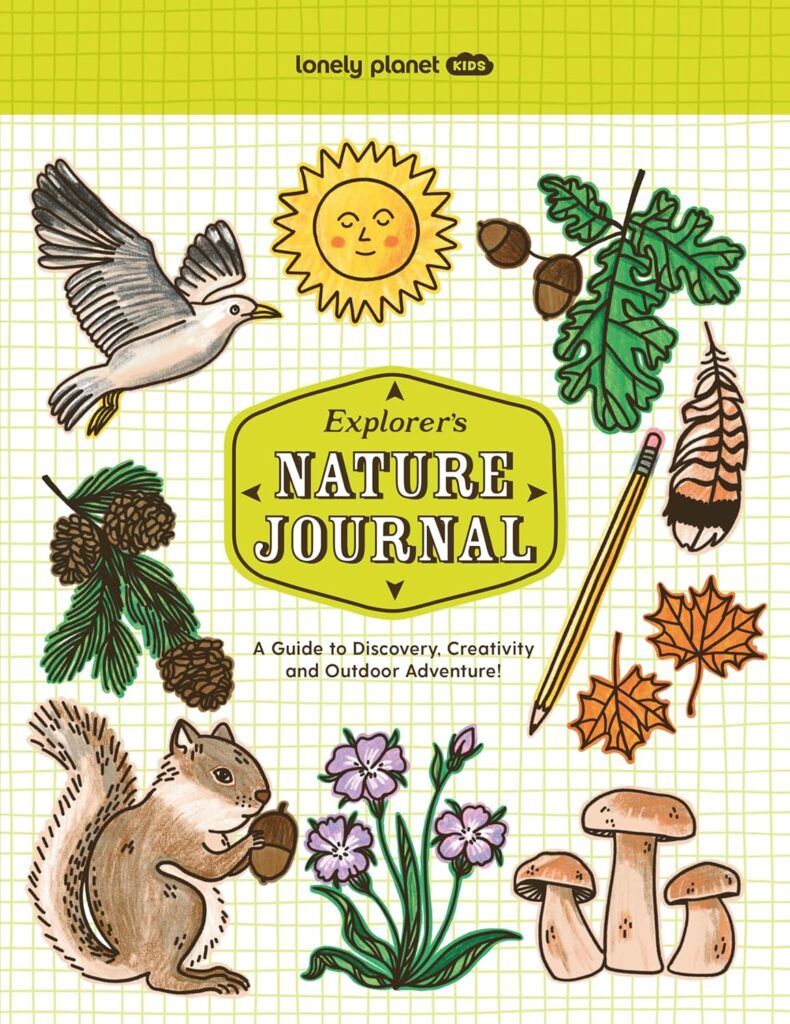
We also took a small nature journal (affiliate link) for each child. They loved sketching birds, jotting down what they saw, and collecting notes about plants and landscapes. It helped them slow down, observe closely, and reflect—ideal for building knowledge and memory.
Both items were small enough to pack easily but made a big difference to our days outdoors.

What Children Can Learn from Visiting Regional Parks
1. Respect for Nature
Experiencing forests, coasts, and wildlife helps children understand the importance of protecting natural spaces.
2. Geography in Real Life
Instead of diagrams, they can see and experience:
- Waterfalls
- Hill contours
- Estuaries
- Cliffs
- Beaches
- Forests
Concepts become meaningful when they’re lived, not just read about.
3. Confidence and Resilience
Completing a family walk, climbing a hill, or exploring a new environment boosts self-esteem.
4. Family Bonding
Fresh air and open space naturally spark conversations, curiosity, and connection.
Final Thoughts: A Must-Do for Families Visiting New Zealand
New Zealand’s regional parks offer everything families need for an unforgettable day out: stunning landscapes, room to explore, hands-on learning, and child-friendly facilities—all with little or no cost.
Hunua Falls and Duders Regional Park were the highlights of our trip. Watching the waterfall thunder down, running across sunlit fields, discovering shells at low tide, and sketching wildlife in nature journals—all of it helped our children understand the world in a deeper, richer way.
If you’re planning a trip to New Zealand, add a few regional parks to your itinerary. They are peaceful, affordable, and filled with opportunities for learning and memory-making.
This post contains affiliate links. If you choose to buy through them, I may earn a small commission at no extra cost to you.