
Many parents wonder when children should start learning phonics.
Some children seem to begin recognising sounds very early, while others show little interest in letters until they start school.
This can leave parents unsure whether they should be doing more at home, or whether it is better to wait.
The reality is that early phonics does not need to be complicated or pressured.
In fact, the most effective introduction to phonics is often simple, playful and very short.
What phonics actually means
Phonics is simply the relationship between sounds and letters.
Children learn that:
- letters represent sounds
- sounds can be blended together
- blended sounds create words
In school this becomes a structured programme, but at home it can begin much more gently.
When many children are ready
Many children begin showing interest in sounds somewhere between three and five years old.
This might appear as:
- noticing letters in books
- recognising the first sound in their name
- enjoying rhyming games
- repeating sound songs
These small moments are often a sign that a child is ready to start exploring sounds.
Why short phonics sessions work best
Young children learn best through brief, repeated exposure.
Ten minutes of playful phonics each day can be more effective than longer sessions done occasionally.
For example:
- singing simple sound songs
- playing “I Spy” with sounds
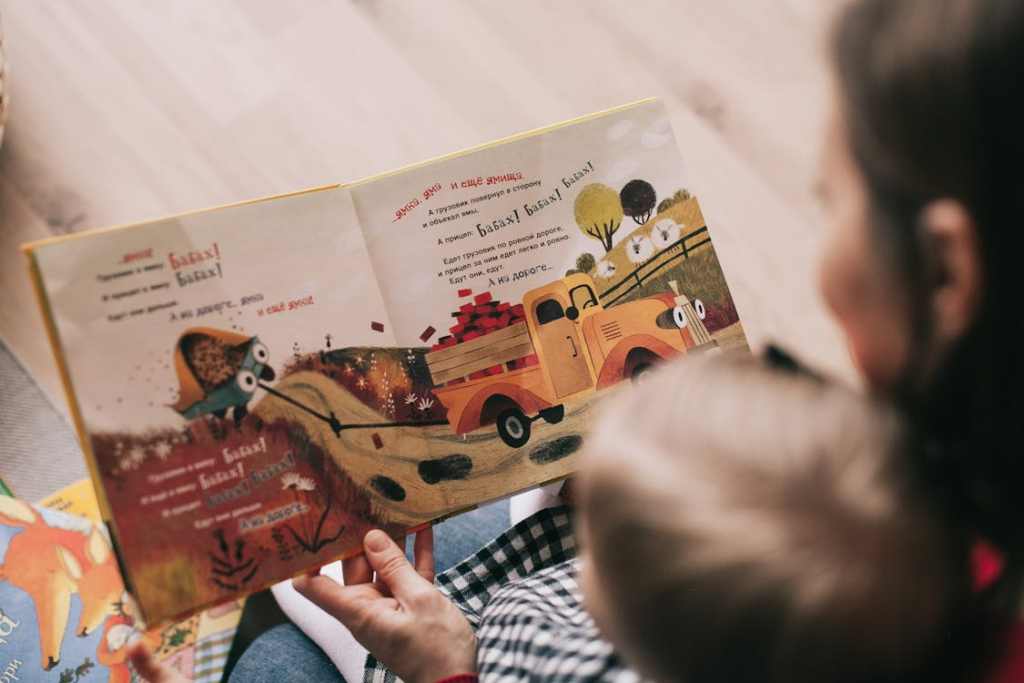
- spotting letters in favourite books
- making up silly rhyming games
These moments build familiarity and confidence.
Keeping phonics playful
One of the most important things parents can do is keep phonics light and enjoyable.
If children feel pressure, they often lose interest quickly.
But when sounds appear in songs, stories and games, children usually begin to explore them naturally.
A simple routine that works well
A very simple routine might look like this:
- A short phonics song
- A quick sound game
- Sharing a favourite book
The whole routine can take around ten minutes, but repeated daily it gradually builds strong foundations for reading.
Final thought
Parents often feel they need to teach phonics in a formal way.
In reality, what helps children most is consistent, playful exposure to sounds and words.
Small moments, repeated often, can make a surprisingly big difference.
If you’d like a simple way to begin, I’ve written a short guide explaining the 10-minute phonics routine we’ve been using at home. Email me at [email protected] to receive a copy.